

Understanding Payday Loans
What Are Payday Loans?

I believe payday loans are short-term financial products because they provide immediate monetary relief for individuals facing unexpected expenses. These loans bridge the gap between paychecks, allowing borrowers to cover urgent costs such as medical bills, car repairs, or everyday living expenses. While payday loans can be a quick solution, they often come with high-interest rates and fees. It is crucial for borrowers to fully understand the implications before proceeding.
In Texas, payday loans generally range from $100 to $1,500 and are intended to be repaid by the next payday, which is usually within two to four weeks after borrowing. Borrowers must provide proof of income, a valid ID, and a checking account to qualify. This accessibility can be appealing, particularly for individuals with poor credit histories who may not qualify for traditional loans. However, the ease of access often leads to a cycle of debt, emphasizing the importance of mastering payday loan timing to avoid pitfalls.
- Payday loans provide immediate cash relief.
- Loans typically range from $100 to $1,500.
- Repayment is due by the next payday, usually within two to four weeks.
How Do Payday Loans Work?
The operational framework of payday loans is straightforward yet potentially risky. When a borrower takes out a payday loan, they receive a lump sum of cash that must be repaid in full, along with interest and fees, by their next payday. For instance, if you borrow 0, you may be required to repay $650 by your next paycheck, depending on the lender’s terms. This repayment structure can create a financial burden if the borrower does not adequately plan for the repayment period.
To facilitate the loan process, payday lenders often require borrowers to provide post-dated checks or electronic access to their bank accounts. This can lead to automatic withdrawals on the due date. This method provides lenders with security but can leave borrowers vulnerable to overdrafts and additional fees if they fail to have sufficient funds in their accounts. Understanding how payday loans operate is essential for borrowers to navigate the landscape responsibly and avoid the cycle of debt that often accompanies this lending method.
- Borrowers receive a lump sum of cash.
- Loans must be repaid in full by the next payday.
- Automatic withdrawals can lead to overdrafts.
What Are the Risks of Payday Loans?
Payday loans come with several risks that can significantly impact a borrower’s financial well-being. One major concern is the high-interest rates associated with these loans, which can range from 300% to 500% APR. This makes it challenging to repay the principal amount along with interest and fees. This can trap borrowers in a cycle of debt, leading to repeated borrowing that exacerbates their financial situation.
Additionally, the structure of payday loans can create further financial strain. If a borrower is unable to repay the loan on time, they may face late fees and additional interest charges, which can lead to even higher debt. Many borrowers find themselves caught in a cycle of borrowing new loans to pay off old ones, resulting in escalating debt levels that can be difficult to escape. Furthermore, defaulting on a payday loan can severely impact a borrower’s credit score, limiting their access to more favorable financial products in the future. Understanding these risks is vital for anyone considering a payday loan, as it allows borrowers to make informed decisions and explore alternative financial options.
- High-interest rates can exceed 500% APR.
- Late fees and additional charges can escalate debt.
- Defaulting can negatively impact credit scores.
Expert Insights on How to Master Payday Loan Timing in Texas

Include Real-World Examples of Timing
Mastering payday loan timing in Texas requires careful analysis of past borrowing patterns to identify best practices. For instance, consider a scenario where an individual consistently borrows at the beginning of the month when their bills are due but repays the loan at the end of the month when funds are typically low. This timing could lead to financial strain, as the borrower may not have enough money left over for other expenses after repaying the loan.
Another example is a borrower who strategically times their payday loan application to align with unexpected medical bills occurring just before their payday. By borrowing a few days before their next paycheck arrives, they can ensure that they have enough funds to cover the bills without falling behind on essential payments. Analyzing these real-world examples highlights the importance of timing in loan applications, as it can significantly impact a borrower’s financial stability.
- Borrowing at the beginning of the month can lead to strain.
- Aligning loans with medical bills can prevent financial stress.
- Timing impacts overall financial stability.
Provide Actionable Steps for Timing
To master payday loan timing in Texas effectively, borrowers should adopt several actionable strategies. Consider the following steps:
- Assess your financial needs thoroughly to determine the exact amount required.
- Identify your payday schedule and align loan applications accordingly.
- Plan your loan repayment in advance, ensuring funds are available on the due date.
- Monitor your spending habits to avoid unnecessary borrowing.
- Utilize loan calculators to understand the implications of borrowing at different times.
- Set reminders for loan repayments to prevent late fees and defaults.
- Stay informed about market interest rates, as they can fluctuate significantly.
- Consult financial resources or experts for tailored advice on timing strategies.
By incorporating these steps into their financial planning, borrowers can enhance their ability to navigate payday loans and minimize the risks associated with them. These strategies not only help in making timely loan decisions but also promote responsible borrowing methods.
Offer Expert Analysis on Timing Strategies
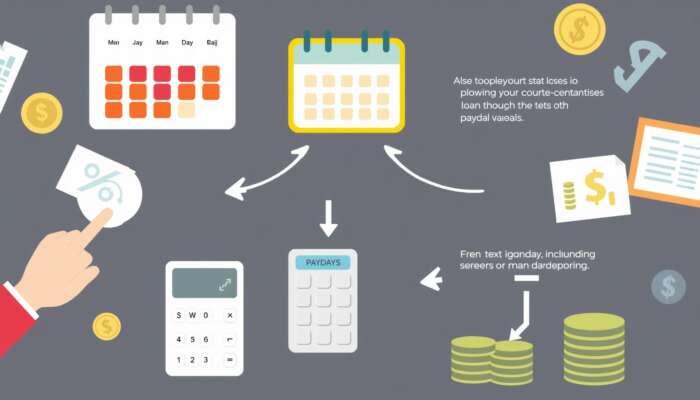
Expert insights into effective payday loan timing strategies reveal that a well-structured approach can significantly maximize the benefits of borrowing. An essential component of this strategy is to assess your financial needs accurately. Before applying for a payday loan, take the time to calculate your immediate expenses and determine the precise amount needed. This prevents over-borrowing, which can lead to unnecessary debt.
Another critical factor is to consider your payday schedule. Understanding when you receive your paycheck allows you to align your loan application with periods of financial stability. For instance, if you know your paycheck arrives on the 15th of each month, applying for a payday loan shortly after that date may allow for easier repayment, as you will have ample funds available.
- Assess financial needs to avoid over-borrowing.
- Align loan applications with payday schedules.
- Plan repayments around financial stability.
What Are the Best Times to Take Out a Payday Loan?
When Is the Right Time for a Loan?
Identifying the right moment to take out a payday loan can make a significant difference in avoiding unnecessary debt. The ideal timing is often when you have a specific financial need that cannot be deferred until your next paycheck. For instance, if an unexpected medical expense arises, waiting until after payday to address the issue may not be feasible. In such cases, taking out a loan shortly before your paycheck can provide the immediate funds needed to cover the expense.
However, it’s crucial to assess your overall financial health before applying for a payday loan. If you have outstanding debts or anticipate upcoming expenses, it may be wise to wait until you have a clearer financial picture. By avoiding impulsive borrowing during financially unstable times, you can prevent falling into the payday loan trap, which often leads to a cycle of debt.
- Take loans for urgent, unavoidable expenses.
- Assess overall financial health before borrowing.
- Avoid impulsive borrowing during unstable times.
How Do Seasonal Expenses Affect Timing?
Seasonal expenses can significantly impact the timing of payday loans, making it essential for borrowers to understand these fluctuations. For instance, certain times of the year, such as holidays or the start of a school year, often bring about increased financial demands. Families may need to budget for gifts, travel, or school supplies, creating a potential need for payday loans to cover these costs.
During these peak seasons, the demand for payday loans often rises, which can lead to higher interest rates and less favorable loan terms. Borrowers should consider timing their loan applications for non-peak periods to avoid the rush and secure better deals. For example, applying for a loan during a quiet month, such as February or September, may yield more favorable terms compared to December, when many people seek quick cash for holiday expenses.
- Seasonal expenses can increase financial demands.
- Peak times lead to higher interest rates.
- Apply during non-peak periods for better terms.
What Should You Avoid When Timing a Loan?
When navigating payday loan timing, several pitfalls can lead to unfavorable outcomes. One major mistake is applying for a loan without thoroughly assessing your financial situation. Rushing into a loan application without understanding your repayment ability can lead to a cycle of debt that is challenging to escape. Take the time to evaluate your current expenses, income, and any upcoming financial obligations before proceeding.
Another common error is failing to monitor market interest rates and terms. Borrowers should avoid taking out loans during peak demand periods, which often result in inflated rates. By staying informed about interest rate trends, you can identify optimal times to apply for loans with more favorable terms.
- Avoid rushing into loan applications.
- Monitor market interest rates to avoid inflated rates.
- Evaluate current financial obligations before borrowing.
How Do Interest Rates Impact Loan Timing?
Interest rates play a crucial role in determining the most effective timing for payday loans. When interest rates are low, borrowers may find it more advantageous to take out loans, as the overall cost of borrowing decreases significantly. Conversely, when rates are high, the cost of borrowing increases, making it essential to wait for a more favorable rate before applying for a payday loan.
Monitoring interest rate trends is vital for borrowers. Economic factors such as inflation, monetary policy, and market demand can influence interest rates dynamically. By staying informed about these trends, you can better time your loan applications, ensuring you secure the most cost-effective borrowing option available.
- Low-interest rates reduce borrowing costs.
- High rates increase overall loan costs.
- Stay informed about economic factors influencing rates.
What Role Does Your Credit Score Play in Timing?
Your credit score significantly influences the timing and terms of payday loans. A higher credit score often leads to more favorable loan conditions, including lower interest rates and better repayment terms. As such, understanding your credit score and taking steps to improve it can enhance your borrowing capabilities.
When planning to apply for a payday loan, consider checking your credit score in advance. If your score is lower than desired, it may be beneficial to wait and work on improving it through responsible financial practices, such as paying down existing debt or ensuring timely payments on other obligations. This proactive approach can help you secure more favorable loan terms when you eventually decide to apply.
- A higher credit score leads to better loan terms.
- Check your credit score before applying.
- Work on improving your score for better borrowing options.
Trusted Strategies for How to Master Payday Loan Timing in Texas
How to Align Loans with Paydays?
Aligning payday loans with paydays is a critical strategy for easing repayment stress. By planning your loan applications to coincide with your income schedule, you can ensure that you have adequate funds available for repayment when the loan is due. This alignment not only simplifies your financial planning but also enhances your ability to manage cash flow effectively.
To align loans with paydays, start by tracking your income schedule and identifying when you receive your paycheck. If your paydays fall on a specific day of the month, consider applying for a payday loan shortly before that day. This timing allows you to cover immediate expenses without worrying about how to manage repayments.
- Track your income schedule for better loan alignment.
- Apply for loans shortly before paydays.
- Manage cash flow effectively with aligned loans.
Include a Bullet List of Key Timing Strategies
To master payday loan timing effectively, consider the following key strategies:
- Apply for loans shortly before your payday for easier repayment.
- Track seasonal expenses to anticipate potential borrowing needs.
- Monitor interest rates regularly to find optimal borrowing times.
- Avoid applying for loans during peak demand periods to secure better terms.
- Assess your overall financial health before taking out a loan.
- Set up a repayment calendar to manage loan payments effectively.
- Consult financial experts for tailored timing advice.
- Utilize loan calculators to understand costs before borrowing.
By incorporating these strategies into your financial planning, you can enhance your ability to navigate payday loans responsibly and reduce the risks associated with borrowing.
What Role Does Financial Planning Play?
Effective financial planning is paramount in mastering payday loan timing. By establishing a comprehensive budget that accounts for all expenses, income, and savings goals, borrowers can identify their financial needs more accurately. This clarity allows for better decision-making when considering payday loans, ensuring that borrowing occurs only when absolutely necessary.
Start by tracking your monthly income and expenses meticulously. This practice provides insight into cash flow patterns and highlights times when funds may be tight. By anticipating these periods, you can plan ahead and either save an emergency fund or take out a payday loan strategically.
- Establish a comprehensive budget for better clarity.
- Track income and expenses to anticipate tight periods.
- Plan ahead to reduce reliance on payday loans.
Understanding Loan Terms and Fees
Understanding the terms and fees associated with payday loans is essential for making informed timing decisions. Each lender may have different fees, interest rates, and repayment terms that can significantly impact the overall cost of borrowing. Take the time to read and comprehend the loan agreement before signing, ensuring there are no hidden fees or unfavorable terms that could lead to financial strain.
When assessing loan terms, pay close attention to the interest rate, repayment schedule, and any applicable fees. Some lenders may charge additional fees for late payments or rollovers, which can quickly escalate the total amount owed. By fully understanding these terms, you can make better timing decisions and avoid costly mistakes.
- Read loan agreements carefully to avoid hidden fees.
- Assess interest rates and repayment schedules thoroughly.
- Compare multiple lenders for the best terms.
The Importance of Monitoring Your Credit Score
Monitoring your credit score is a vital aspect of mastering payday loan timing, as it can directly impact your borrowing options. A healthy credit score opens doors to better loan terms, including lower interest rates and more flexible repayment plans. Staying informed about your credit situation can enable you to time your loan applications more effectively.
Regularly checking your credit report allows you to identify any discrepancies or issues that could affect your score. Addressing these problems promptly can improve your credit standing, making you a more attractive candidate for lenders when you need to borrow. Additionally, understanding factors that influence your credit score, such as payment history and credit utilization, can guide you in making responsible financial decisions.
- Regularly check your credit report for discrepancies.
- Address issues promptly to improve your credit standing.
- Understand factors influencing your credit score for better decisions.
Disclaimer: This blog does not offer tax, legal, financial planning, insurance, accounting, investment, or any other type of professional advice or services. Before acting on any information or recommendations provided here, you should consult a qualified tax or legal professional to ensure they are appropriate for your specific situation.

Brian Shaw is a seasoned author and financial expert specializing in budget planning and debt management. With a keen focus on economic analysis and financial strategies, he offers valuable insights into consumer issues and cash management solutions. Brian’s expertise extends to lending trends and loan guidance, helping readers navigate the complexities of financial services and achieve greater financial security. Through his work, he empowers individuals to make informed financial decisions and develop effective money management practices.
I appreciate your insights on payday loans; it’s a topic that definitely deserves more nuanced discussion. I mean, who among us hasn’t found ourselves between a rock and a hard place, staring down the barrel of an unexpected expense – like that moment when your car’s check engine light flickers on and it seems to say, “I hope you’ve got a spare $800 laying around!”? The allure of a payday loan can feel like a lifeline drowning in the deep end of your financial pool.
You’re spot on about the unexpected expenses that pop up just when you think you’ve got a handle on things. It’s that all-too-familiar moment when the universe seems to conspire against your plans – like when your car decides to signal its need for attention at the worst possible time. It really does feel like being pulled under by a wave when you’re already in the deep end of financial stress.
It’s fascinating to dive into the world of payday loans, especially considering their role in managing unexpected expenses. You’ve highlighted some key points about their accessibility, which is definitely a double-edged sword. While they can provide much-needed relief for urgent costs, the high-interest rates can plunge borrowers into a vicious cycle of debt.
You’ve hit on some really important aspects of payday loans that many people overlook. The idea of using them as a quick bridge between paychecks might seem appealing at first, especially when unexpected expenses pop up. I’ve been in situations where I thought borrowing a little might help me get through a tough moment, but I remember the stress that came after with interest piling up.
You’ve raised an important point about the accessibility of payday loans in times of financial distress. I have seen firsthand how easy it can be for someone to get trapped in a cycle of debt from these loans, especially when the pressure of urgent bills looms over them. One thought I had was about the role of financial education in this context. If more people understood budgeting and alternative financial products, they might avoid payday loans altogether or at least make more informed decisions when opting for them.
You’ve highlighted a critical aspect of payday loans—the balance between immediate access to funds and the potential for creating a debt cycle. I’ve seen this play out in my community, where families, often already stretched thin, turn to these loans during emergencies. While the relief is immediate, many end up borrowing multiple times due to the high interest and short repayment terms, which can lead to more financial strain.