
The Rise of Payday Lending in the US
What historical events shaped payday loans?
I believe payday loans are a significant category of financial services because they emerged from historical shifts in lending practices. The late 20th century saw the introduction of structured lending, which popularized these loans. Legislative changes in the 1990s, particularly the repeal of certain usury laws, allowed payday lenders to flourish. This evolution profoundly impacted the interest rate structures associated with these loans.
What economic conditions drive demand for payday loans?
High inflation and stagnant wages in the United States create a precarious financial landscape. Many individuals struggle to meet unexpected expenses. In this environment, payday loans serve as a financial lifeline for those urgently needing cash. However, lenders account for default risks, resulting in elevated interest rates. Key economic indicators include:
- Stagnant wage growth
- High unemployment rates
- Inflation rates above the historical average
- Increased cost of living
- Declining personal savings rates
- Increased consumer debt levels
How do lender business models operate?
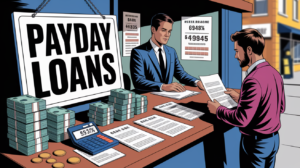
The business model of US payday lenders capitalizes on consumers’ urgent financial needs. These lenders incur high operational costs from physical storefronts, staffing, and technology investments. Rapid turnaround times that consumers expect further heighten these costs. Consequently, lenders justify higher interest rates to cover expenses and maintain profitability in a competitive market.
What insights explain high interest rates on payday loans?
What regulatory challenges do lenders face?
Payday lenders in the US navigate a complex regulatory landscape that varies significantly across states. Compliance with federal and state laws creates substantial operational hurdles. These costs are typically passed on to borrowers through higher interest rates. State-level variations can exacerbate these issues, as states with lax regulations foster environments where interest rates can soar, placing vulnerable consumers at greater risk.
What risk assessment strategies do lenders employ?
Lenders utilize various risk assessment strategies to determine borrower creditworthiness. They rely on data analytics and historical performance metrics. For instance, US lenders analyze credit scores, income stability, and past borrowing behaviors. Individuals with poor credit profiles face steeper rates due to perceived default risk. Real-world data shows that those with compromised credit histories are often charged significantly higher rates, further entrenching financial inequalities.
What are the long-term implications for the payday loan market?
The sustainability of high-interest payday loans raises concerns for economists and policymakers. Current US economic policies contribute to the continued need for elevated interest rates. Lenders must hedge against uncertainties like economic downturns and regulatory shifts. The cyclical nature of high borrowing costs creates an environment where both lenders and borrowers face persistently challenging conditions.
How do operational costs impact interest rates?
High operational costs significantly drive the steep interest rates of payday loans. Experts analyze various expenses incurred by lenders, including technology upgrades, staffing, and compliance costs. These factors are factored into pricing models. Lenders often cite the need to cover these operational expenses as justification for higher rates, deterring potential borrowers from considering alternatives.
What factors drive up interest rates?
How do operational costs influence pricing?
The relationship between operational costs and pricing is fundamental to understanding why payday loans are expensive. Lenders incur substantial overhead costs that vary widely depending on their business model. For example, maintaining physical storefronts incurs rent and utility expenses. Hiring staff for customer inquiries and loan processing adds to payroll costs. All these contribute directly to the elevated charges faced by borrowers. Additionally, technological investments to streamline operations can also inflate pricing structures.
What do borrower risk profiles reveal?
Understanding borrower risk profiles is essential in examining the high interest rates associated with payday loans. US demographic data indicates that many payday loan users have limited credit histories or poor credit ratings. This demographic often includes individuals from lower-income brackets facing financial stress. Lenders price their loans higher to mitigate the risk of default.
How does competition among providers affect rates?
In the US payday lending market, a lack of competition often leads to higher interest rates. Many regions are dominated by a limited number of providers, reducing pressure on lenders to lower their rates. This lack of competitive pricing means consumers have few options, forcing them to accept unfavorable terms from lenders unwilling to compete on price. The absence of robust competition significantly hinders overall accessibility to affordable financial products.
What is the regulatory environment in the US?
Why are state laws so varied in payday lending?
The regulatory framework governing payday lending in the United States features significant variations across states. Some states impose strict caps on interest rates and loan amounts, while others impose no limits. These discrepancies allow payday lenders to charge exorbitant rates in regions with minimal oversight, leading to predatory lending practices. The varying regulatory responses directly influence the interest rates borrowers face, often to their detriment.
What enforcement mechanisms are in place?
Federal and state agencies monitor payday lenders; however, the effectiveness of enforcement mechanisms is often weak. This lack of robust oversight can lead to unchecked rate increases, placing consumers at risk. Regulatory bodies may struggle with limited resources, making it difficult to act against non-compliant lenders. The lack of stringent enforcement exacerbates high-interest rates, leaving borrowers vulnerable to exploitation.
What potential reforms are on the horizon?
As concerns over high-interest payday loans grow, ongoing discussions focus on potential reforms in the United States. Current legislative efforts aim to address payday lending issues through proposals designed to protect consumers. These include:
- Establishing national interest rate caps
- Enhancing transparency in lending practices
- Strengthening enforcement of existing regulations
- Promoting financial literacy programs
The outcomes of these discussions could significantly reshape the payday lending landscape, making it more favorable for borrowers.
What does research reveal about payday loan rates?
What key studies highlight lending practices?
Research indicates a strong correlation between borrower behaviors and high interest rates associated with payday loans. Studies in urban areas of the US show that borrowers often resort to payday loans after exhausting other financial options. This behavior stems from inadequate financial planning or sudden emergencies, leading to a reliance on high-cost loans. Such findings underscore the critical need for understanding consumer motivations, enabling lenders to tailor their services more responsibly.
What trends in rate evolution have been observed?
Academic findings reveal that shifts in the US economy historically influence payday loan interest rates. Economic downturns and increased unemployment rates typically lead to higher borrowing costs, as lenders react to heightened default risk. Over the years, these trends consistently demonstrate that societal financial health directly links to payday loan pricing structures, offering a sobering perspective on broader implications.
What implications do these findings have for policymakers?
Experts analyze reports indicating that systemic issues leading to persistently high-interest rates require targeted interventions from policymakers. Evidence suggests that without proactive measures, the cycle of high borrowing costs will continue to impact vulnerable populations in the US. Discussions around implementing reforms, such as regulating interest rates and improving access to affordable credit, are essential in addressing the long-term implications of payday lending practices.
How do high rates affect economic growth?
Economists study the ramifications of elevated payday loan rates on economic growth, revealing that high costs can stifle consumer spending and hinder overall economic expansion. When consumers are burdened by high-interest debts, they have less disposable income to invest in goods and services. This can negatively affect GDP growth and employment opportunities. Strategies aimed at fostering sustainable development, such as promoting financial education and access to lower-cost credit options, are critical to breaking this cycle.
How do lenders determine interest rates?
What role does default risk play in rate determination?
Default risk is pivotal in how lenders determine interest rates for payday loans. Lenders meticulously assess borrower history and creditworthiness, factoring in the likelihood of default to set premium charges. Historical data shows individuals with prior defaults or limited credit history often face significantly higher rates. This practice reflects lenders’ need to protect revenues against potential losses while catering to a high-risk borrower demographic.
What internal pricing formulas do lenders use?
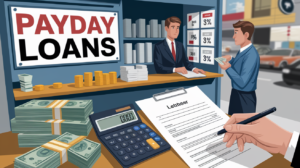
Many payday lenders implement proprietary pricing models that account for operational costs, borrower risk, and market conditions. These internal formulas analyze a multitude of factors, including loan duration, borrower stability, and regional economic conditions. By utilizing complex algorithms and data analytics, lenders can set rates aligned with their risk assessments and business goals, perpetuating the cycle of high costs within the industry.
What external market influences affect rates?
External market influences greatly affect lenders’ interest rate decisions. Fluctuations in broader financial markets, such as shifts in interest rates set by the Federal Reserve, prompt lenders to adjust their rates in response to changing economic conditions. Economic volatility often results in increased precautionary measures from lenders, further driving up interest rates for borrowers, particularly in the payday lending sector.
What is the impact on borrowers in the US?
Why do cycles of debt occur among borrowers?
Cycles of debt frequently occur among payday loan borrowers due to the compounding nature of high-interest rates. Many individuals find themselves trapped in a cycle of continuously rolling over existing loans to meet financial obligations, leading to escalating debt. As short-term loans accumulate with high rates, borrowers may struggle to regain financial stability. Common borrower experiences include:
- Repeated borrowing to cover existing loans
- Increased financial stress and anxiety
- Difficulty in meeting basic living expenses
- Strained relationships due to financial pressures
What socioeconomic effects are observed?
The socioeconomic effects of high payday loan rates have far-reaching implications, particularly for low-income groups in the US. These high costs exacerbate existing financial inequalities, pushing vulnerable populations further into debt and limiting their opportunities for upward mobility. The disproportionate impact of payday loans on these communities challenges their ability to build wealth and achieve financial security, contributing to broader economic inequality.
What alternatives exist for affected individuals?
Fortunately, alternatives for individuals impacted by high-interest payday loans are available. Credit unions and community banks often provide lower-rate loans and financial counseling, offering viable options for those seeking relief. Additionally, nonprofit organizations and community programs may offer financial education resources and assistance programs aimed at reducing reliance on predatory lending practices. Exploring these alternatives can empower borrowers to make informed decisions and escape the cycle of high-cost loans.
Why are alternatives limited for borrowers?
How does access to traditional credit vary across the US?
Access to traditional credit varies significantly across the United States, with many individuals facing barriers such as strict credit checks and documentation requirements. For those with less-than-perfect credit histories or unstable income, qualifying for traditional loans becomes a daunting challenge. This lack of access often leads individuals to seek out payday loans as a more accessible option, despite the high costs associated with them. Consequently, many consumers find themselves trapped in a cycle of expensive borrowing, desperately seeking relief from financial stress.
How do cultural attitudes toward borrowing influence choices?
Cultural attitudes toward borrowing also play a role in the prevalence of high-interest payday loans. In the US, a stigma often surrounds discussing financial struggles, leading individuals to avoid exploring alternatives. This reluctance can exacerbate reliance on payday loans, as many consumers may not feel comfortable seeking help from financial institutions or advisors. Societal norms that prioritize quick solutions to financial problems can further entrench the popularity of payday lending.
What emerging solutions are available in the landscape?
Despite the challenges faced by consumers, emerging solutions in the US financial landscape are beginning to provide lower-rate alternatives. Fintech innovations introduce products designed to meet the needs of underserved populations while offering more favorable terms than traditional payday loans. These solutions often rely on technology to streamline processes, enabling faster access to funds at lower rates. However, widespread adoption remains slow, primarily due to entrenched habits and a lack of awareness among potential borrowers.
What does the future hold for payday loans in the US?
What changes might reduce payday loan rates?
Potential shifts in US policy could pave the way for reduced interest rates on payday loans. Legislative efforts aimed at enhancing consumer protections and regulating lending practices may lead to a more equitable market. As policymakers increasingly focus on payday lending issues, adjustments such as national rate caps or stricter compliance measures could help mitigate high costs currently faced by borrowers, fostering a healthier financial environment.
What technological advancements are on the horizon?
Technological advancements hold promise in moderating payday loan rates through efficiency gains. Digital lending platforms are evolving to streamline operations, reducing costs associated with traditional payday lending. The integration of automation and artificial intelligence in the loan application process may lead to quicker approvals and lower overall costs for borrowers, making it possible to offer more competitive rates in the future.
What long-term sustainability concerns exist?
The long-term sustainability of the payday loan model remains in question amid growing calls for reform. As societal awareness of the risks associated with high-interest lending rises, lenders face increasing pressure to adopt more ethical practices. The potential for legislative changes and evolving consumer preferences may necessitate a re-evaluation of the payday lending business model to ensure its viability in an increasingly conscientious financial landscape.
FAQs
What are payday loans?
Payday loans are short-term loans typically used to cover urgent expenses, often requiring repayment by the next payday. They usually come with high-interest rates and fees.
Why do payday loans have high interest rates?
Payday loans have high interest rates due to factors like borrower risk profiles, operational costs, and a lack of competition among lenders.
Who typically uses payday loans?
Individuals with poor credit histories, low income, or urgent financial needs often utilize payday loans, as they may lack access to traditional credit options.
What are the risks of payday loans?
The primary risks include high-interest rates, the potential for debt cycles, and negative impacts on credit scores if loans are not repaid on time.
Are there alternatives to payday loans?
Yes, alternatives include credit unions, personal loans from community banks, and nonprofit organizations offering financial assistance and education.
How can high-interest rates affect borrowers?
High-interest rates can lead to cycles of debt, financial stress, and exacerbate socioeconomic inequalities, limiting borrowers’ financial options.
What are some common borrower experiences?
Common experiences include repeated borrowing, increased financial strain, difficulty meeting daily expenses, and strained personal relationships due to financial pressures.
How can technological advancements help?
Technological advancements can streamline lending processes, improve efficiency, and lower costs, potentially leading to more competitive rates for borrowers.
What legislative changes are being discussed?
Current discussions include proposals for national interest rate caps, enhanced transparency in lending, and increased enforcement of existing regulations.
Why is there a stigma around discussing financial struggles?
Cultural attitudes often discourage open conversations about financial difficulties, making individuals hesitant to seek help or explore alternatives to payday loans.
Disclaimer: This blog does not offer tax, legal, financial planning, insurance, accounting, investment, or any other type of professional advice or services. Before acting on any information or recommendations provided here, you should consult a qualified tax or legal professional to ensure they are appropriate for your specific situation.

Ethan Parker is an accomplished author and financial expert specializing in debt recovery, debt relief, and innovative debt solutions. With a keen focus on providing practical advice and strategies, he is dedicated to helping individuals and businesses navigate their financial challenges. As a contributor to SouthLakeTxHomeLoans, Ethan combines his extensive knowledge in finance and business to empower readers with the insights they need to achieve financial stability and growth.